Enhancing Home Accessibility Expert Tips for Accessible Bathroom Design in Malibu
Living in Malibu offers a unique lifestyle characterized by beautiful landscapes and luxurious homes. However, ensuring that these homes are accessible to everyone, regardless of age or physical ability, can be a challenge. One of the most critical areas in the home that requires attention when it comes to accessibility is the bathroom. Properly designed, accessible bathrooms can greatly enhance the quality of life for individuals with mobility issues, making daily routines easier and more comfortable. This article provides expert tips for creating accessible bathroom designs that meet the needs of all individuals while maintaining aesthetic appeal.
Key Considerations for Accessible Bathroom Design
Space and Layout
Designing a bathroom that prioritizes accessibility starts with considering the space and layout. Here are some crucial factors:
- Avoid clutter and ensure clear pathways to all fixtures to facilitate easy movement.
- Ensure the bathroom is spacious enough to accommodate wheelchairs or walkers. A minimum door width of 32 inches is recommended.
- Consider an open-plan layout to maximize space and accessibility.
Learn more in this detailed guide about planning bathroom layouts for accessibility.
Non-Slip Flooring
Safety is a top priority in accessible bathroom design, and choosing appropriate flooring is paramount:
- Select non-slip flooring materials to prevent falls, especially in wet areas.
- Opt for textured tiles or vinyl flooring, which offer better grip.
- Ensure all flooring transitions are smooth to avoid tripping hazards.
Find additional information here on safe flooring options.
Accessible Fixtures and Fittings
Choosing the right fixtures and fittings can make a significant difference in usability:
- Install lever-style faucets and door handles for easier operation.
- Place light switches and outlets within reach, ideally between 15 and 48 inches from the floor.
- Consider adjustable shower heads and handheld options for flexibility.
Explore further insights here on selecting accessible bathroom fixtures.
Special Features for Enhanced Accessibility
Grab Bars and Handrails
These features are crucial for safety and support:
- Install grab bars near the toilet, shower, and bathtub for added support.
- Ensure bars are securely anchored and can support the necessary weight.
- For aesthetic appeal, choose bars that blend with the bathroom's design.
Read more about this topic to understand the importance of grab bars.
Accessible Showers and Bathtubs
Designing a shower or bathtub with accessibility in mind involves several considerations:
- Consider walk-in showers with zero-threshold entries for easy access.
- Install shower seats and ensure the area is spacious enough for maneuverability.
- For bathtubs, consider models with side doors for easier entry and exit.
Explore further insights here on designing accessible bathing areas.
Height-Appropriate Vanities and Sinks
Ensure that vanities and sinks are accessible to all users:
- Install sinks at a height that accommodates both standing and seated users, typically between 29 and 34 inches from the floor.
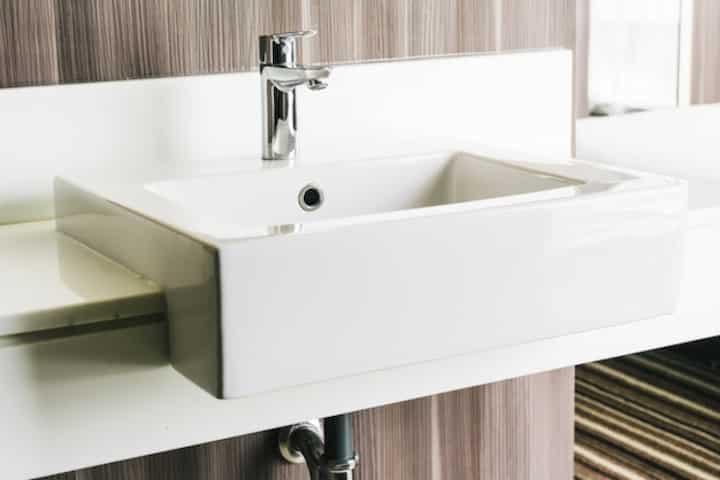
- Consider wall-mounted sinks to provide wheelchair users with necessary knee space.
- Ensure cabinetry and storage are within reach and easily accessible.
Learn more about accessible vanity and sink installation at this detailed guide.
Conclusion
Creating an accessible bathroom in Malibu involves thoughtful planning and design to ensure safety, comfort, and independence for all users. By considering factors such as space, fixtures, and special features, homeowners can design a bathroom that meets these needs while maintaining style and elegance. For further guidance and expert advice, find additional information here about making bathrooms more accessible.